CAST & EXPERTS

Michelle Paver is an internationally bestselling novelist whose work explores the deep psychological and spiritual relationship between humans and the natural world. Best known for her acclaimed Wolf Brother books—which have sold millions of copies worldwide—Paver has spent decades researching ancient cultures and humanity’s evolving connection to animals. Her work frequently centers on wolves as both real creatures and enduring figures within myth, memory, and imagination. In In the Company of Wolves: An American Journey, Paver brings a literary and anthropological perspective, helping illuminate why wolves continue to occupy such a powerful place in the human story.
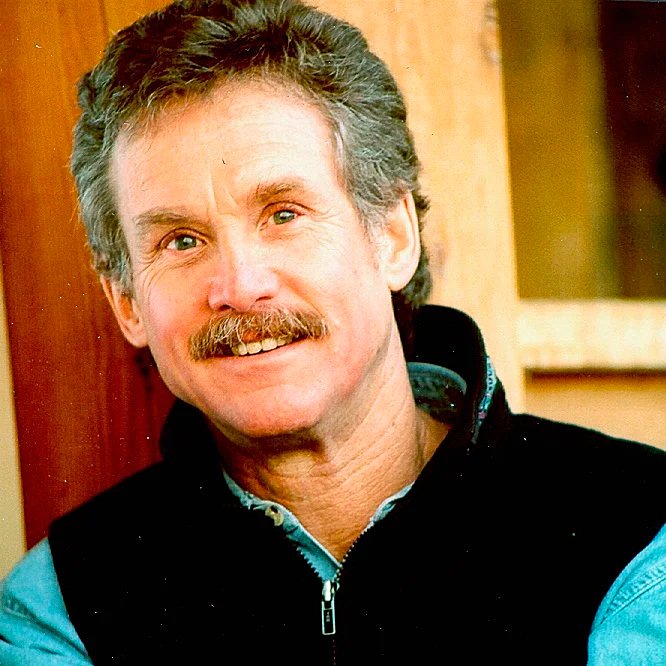
David Quammen is one of America’s most respected science and nature writers, known for exploring the complex relationships between ecology, evolution, wildlife, and human civilization. A longtime contributor to National Geographic and author of numerous bestselling books including Spillover, The Song of the Dodo, and Monster of God, Quammen has spent his career examining how humans fit within the larger web of life. His work combines rigorous science with deeply human storytelling.
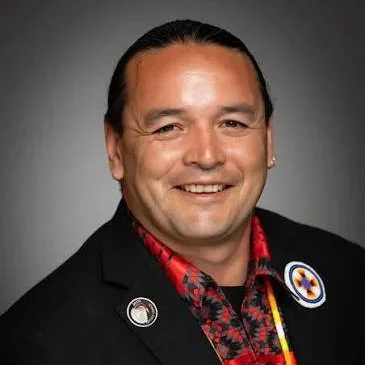
Jason Baldes is an Eastern Shoshone leader, wildlife advocate, and nationally recognized voice for Indigenous conservation and buffalo restoration. Raised on the Wind River Reservation in Wyoming, Baldes works at the intersection of cultural revitalization, ecological restoration, and Indigenous land stewardship. Through his work with buffalo restoration initiatives and tribal conservation programs, he advocates for restoring balance between people, animals, and the land. In In the Company of Wolves: An American Journey, Baldes offers an essential Indigenous perspective on coexistence, helping reframe the American landscape not as wilderness untouched by humans, but as a living world shaped through reciprocal relationships between people, animals, and place.
Cristina Eisenberg is a Native American ecologist, author, and internationally recognized expert on wolves, trophic cascades, and ecosystem restoration. Her work focuses on the critical role large predators play in maintaining ecological balance, particularly in the forests and grasslands of North America. As both a scientist and communicator, Eisenberg has helped bridge the gap between academic ecology and public understanding, emphasizing the interconnectedness of all living systems. In the film, she provides insight into how wolves influence entire landscapes—shaping forests, rivers, prey populations, and biodiversity.

Jon Coleman is a historian at the University of Notre Dame and author of the acclaimed book Vicious: Wolves and Men in America, a landmark examination of the long and often violent relationship between wolves and American expansion. Coleman’s work explores how wolves became entangled with frontier mythology, colonization, and westward expansion. By tracing the symbolic and material role wolves played throughout American history, he reveals how attitudes toward predators often reflected larger cultural fears, ambitions, and contradictions.
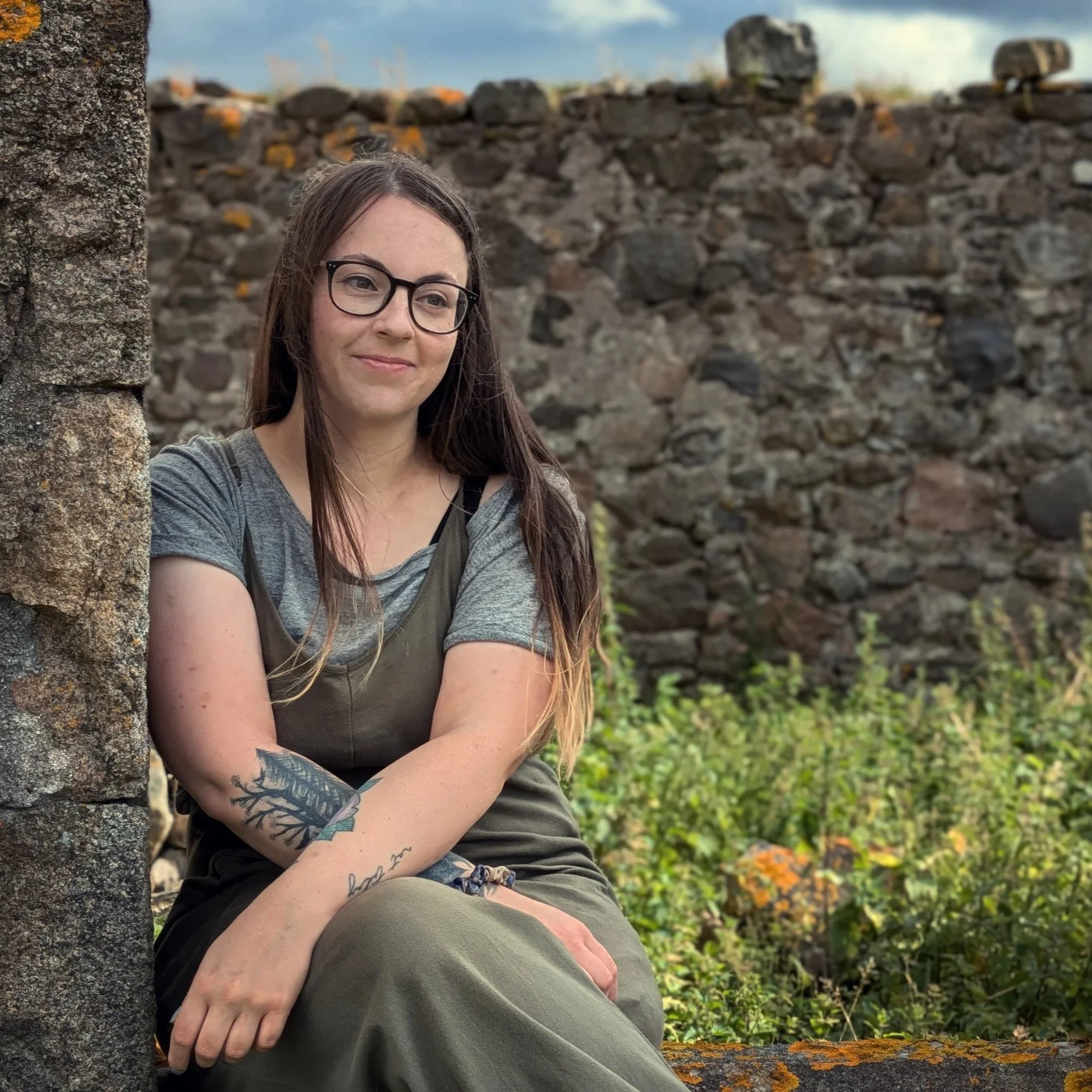
Elizabeth Marshall is an expert in historical and literary research, with extensive knowledge of wolf ethology, ecology, and reintroduction. Passionate about critically examining and tracing historical sources, Elizabeth separates fact from the ubiquitous fiction associated with these animals.
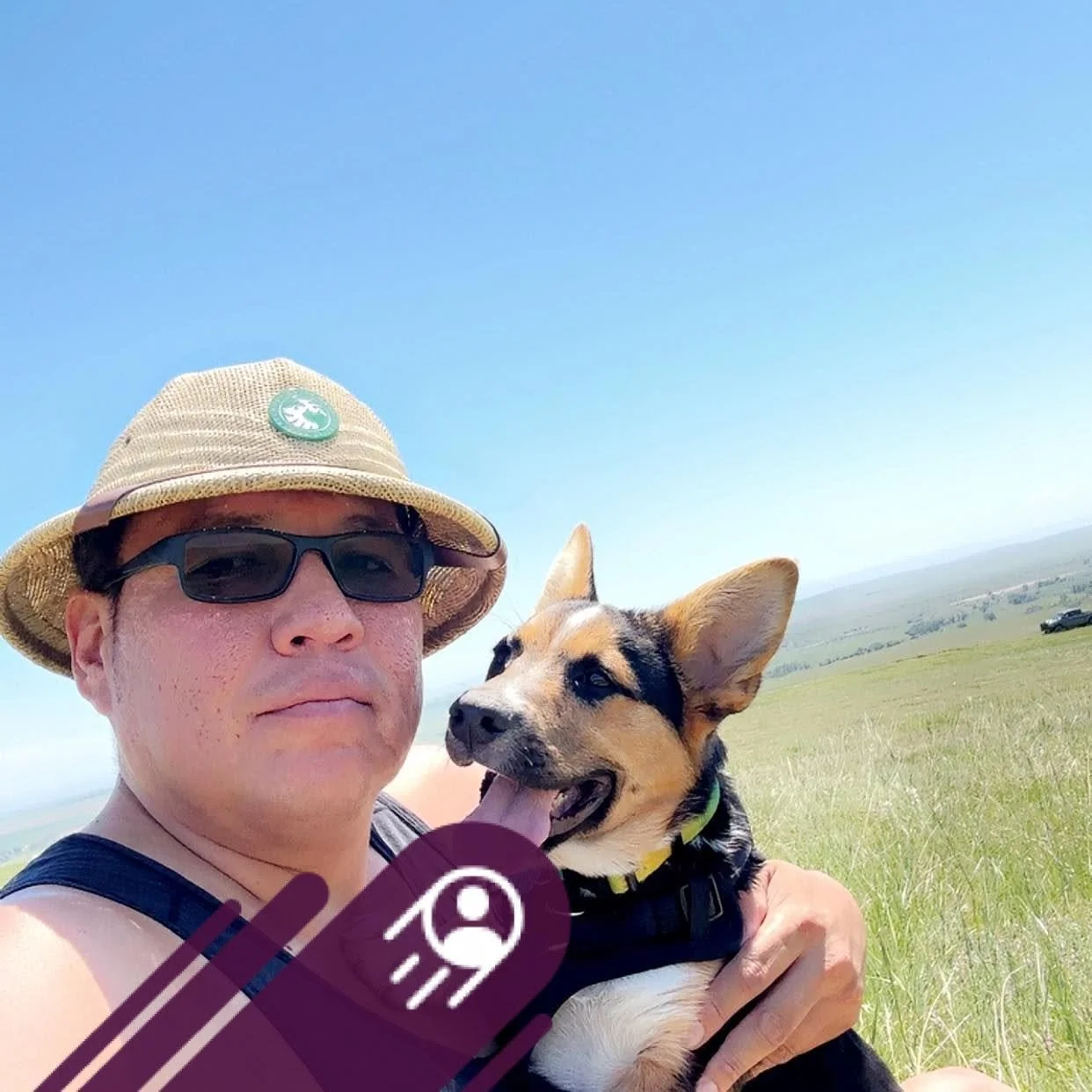
Noel Two Leggins is a Cultural Teacher, Chief of Staff to the Vice Chairman of the Apsáalooke Nation, and Manager of the Crow Fair Powwow. Through ceremony, storytelling, and community gatherings, Noel helps bring together families and visitors from near and far to honor tradition and carry Apsáalooke cultural knowledge forward to future generations.
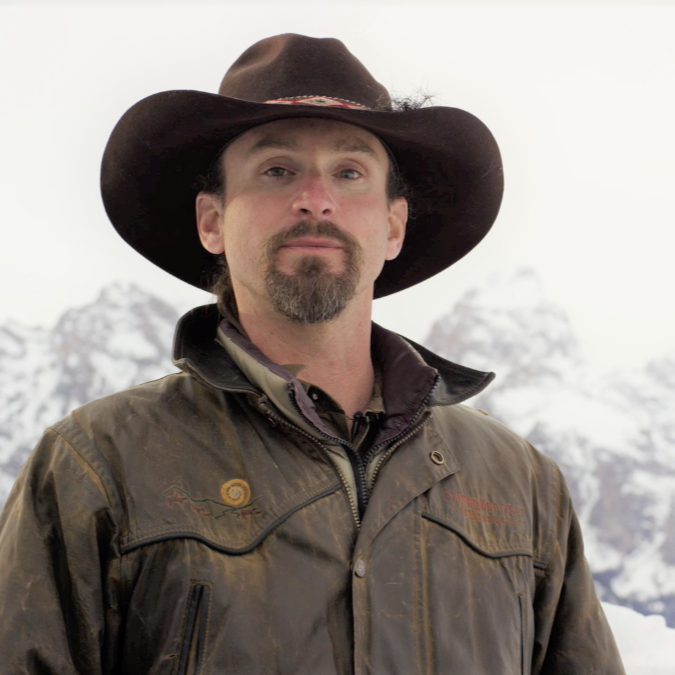
Cameron Krebs is a fifth-generation sheep rancher and livestock producer from eastern Oregon. Raising sheep, cattle, wheat, and hay, Krebs has become known for innovative approaches to land stewardship and sustainable ranching practices. His work bridges traditional ranching culture with emerging conversations around conservation, renewable energy, and the future of rural communities in the American West.
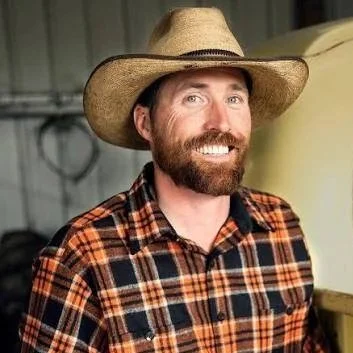
Matt Barnes is a conservation scientist, land steward, and advocate for coexistence between people, livestock, and large carnivores across the American West. Through his consulting work with Shining Horizons Land Management, Barnes provides rangeland science and management services focused on the health and resilience of working landscapes. He is also the founder of Reintegrating Wildness, a project of the Northern Rockies Conservation Cooperative that promotes innovative approaches to human-carnivore coexistence, particularly in ranching communities. His work brings together ecology, stewardship, and practical land management, exploring how wildlife, livestock, and people can share the same landscapes while sustaining both ecological integrity and rural livelihoods.

Dr. Isla Fishburn is a conservation biologist, zoologist, and wolf researcher whose work explores wolf ecology, behavior, and the relationship between wolves, dogs, and humans. Through her research, writing, and education, she advocates for a deeper understanding of wolves and their role in healthy ecosystems.